If you click on links we provide, we may receive compensation.
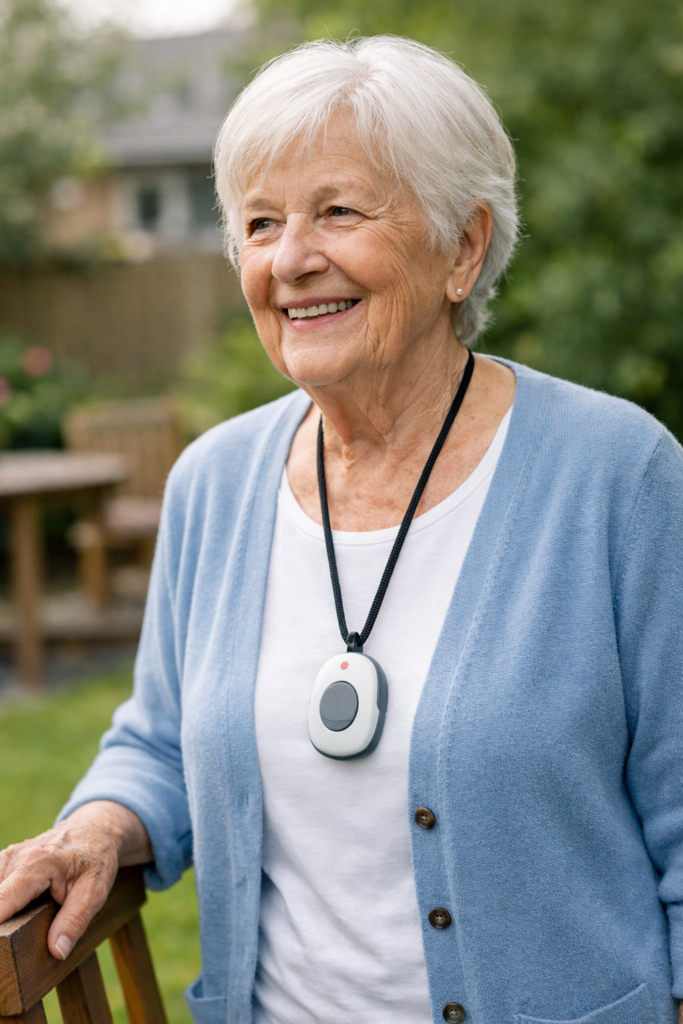
The best personal alarms for elderly UK users provide fast access to help, simple operation, and reliable emergency response. For older adults living alone, a personal alarm can offer reassurance, independence, and peace of mind.
In this guide to the best personal alarms for elderly UK households, we focus on devices that are easy to wear, simple to activate, and dependable in emergencies.
Whether you’re supporting a parent or planning ahead for yourself, choosing the right alarm can significantly improve safety at home and outdoors.
Quick Comparison
Below are some of the most reliable and easy-to-use personal alarms available in the UK.
SureSafeGO 4GX Personal Alarm
The SureSafeGO 4GX is a GPS-enabled personal alarm designed for elderly users who may need help both inside and outside the home.
It works using a built-in SIM card and mobile network connection. When the SOS button is pressed, it calls pre-set contacts and sends location data.
The device is lightweight, wearable, and waterproof, making it suitable for daily use.
Pros:
- GPS tracking included
- Works anywhere with mobile signal
- No landline required
- Simple SOS button
Cons:
- Monthly subscription required
- Needs charging
Check latest UK pricing
Lifeline Vi Alarm (Landline-Based)
The Lifeline Vi Alarm is ideal for elderly UK users who spend most of their time at home and prefer a traditional setup.
It connects to a landline and includes a wearable pendant button. When pressed, it alerts a monitoring centre that can contact emergency services or family members.
This type of system is widely used and supported across the UK.
Pros:
- 24/7 monitoring
- Simple pendant activation
- Trusted system
- Ideal for home use
Cons:
- Requires landline
- Monthly monitoring fee
Check latest UK pricing
Taking Care Anywhere Alarm
The Taking Care Anywhere Alarm is another GPS-based option that works outside the home. It includes fall detection and automatic alerts in some models.
For elderly UK users who remain active, this type of alarm can provide reassurance while shopping, walking, or travelling.
It operates on the UK mobile network and includes a rechargeable battery.
Pros:
- Works indoors and outdoors
- Fall detection available
- Lightweight wearable design
- UK-based monitoring
Cons:
- Subscription required
- Needs regular charging
Check latest UK pricing
How to Choose the Best Personal Alarms for Elderly UK Users
When selecting the best personal alarms for elderly UK households, consider the user’s lifestyle first.
Key factors include:
- Landline vs mobile network
- Battery life
- Waterproof rating
- Monitoring centre support
- Ease of pressing the SOS button
For users who rarely leave home, a landline alarm may be sufficient. For active seniors, GPS-enabled alarms provide greater flexibility.
According to guidance from Age UK, maintaining independence while ensuring access to emergency support is one of the most important aspects of elderly safety planning.
Frequently Asked Questions
Do personal alarms work without WiFi?
Many personal alarms do not require WiFi. Landline systems use phone connections, while GPS alarms use mobile networks.
Are personal alarms worth it?
Yes. The best personal alarms for elderly UK users provide immediate access to help, which can reduce risk during falls or medical emergencies.
Is there a free personal alarm in the UK?
Some local councils offer subsidised alarm services, but most systems require either a purchase cost or a monthly monitoring fee.
Final Verdict: Which Personal Alarm Is Best?
For active users who leave home regularly, a GPS-enabled alarm like SureSafeGO offers flexibility and protection anywhere in the UK.
For those primarily at home, a landline-based system may provide reliable 24/7 monitoring.
If you are building a full elderly home safety setup, you may also want to read our guide to the best door locks for elderly UK homes or explore the best video doorbell for elderly UK households.
Leave a Reply